In this article+
01
Begin with the life you dress for now
List the settings that appear in an ordinary month: work, weekends, dinner, travel, exercise, weather and occasional events. This prevents the edit becoming a contest to own as little as possible. A useful wardrobe supports your actual routine with enough rotation for laundry and climate. Clothes kept for a former office, a different body or an imagined social life should not automatically survive because they were expensive. The question is whether the garment has a credible role in the next year.
02
Work one category at a time
Pull out every shirt, then every trouser, knit, jacket and shoe rather than emptying the entire wardrobe at once. Category-by-category comparison makes duplication visible and keeps the process manageable. Try on uncertain pieces with the underwear, belt and shoes you would genuinely wear. Look from the side and back, sit down and move. A garment that fits only while standing still is not a reliable part of the wardrobe.
03
Use five clear destinations
Give every item one decision: keep, alter, repair, replace or release. Keep means it can return to the wardrobe immediately. Alter and repair need a specific action and deadline. Replace means the role matters but the current item no longer performs it; record the gap without shopping yet. Release covers donation, resale or textile recycling according to condition. An indefinite maybe pile simply moves the original problem to another room, so revisit it before the edit ends.
04
Judge the outfit, not the hanger
Build at least two complete outfits around every uncertain piece. Name the actual trouser, shoe and layer rather than saying it works with ‘jeans’. If the garment needs one particular partner, another future purchase or a rare event, its usefulness is limited. Photograph the combinations that work. This turns the surviving wardrobe into a small personal lookbook and often reveals that a piece you overlooked is more valuable than the dramatic item that always seemed promising on its own.
05
Question duplication without punishing repetition
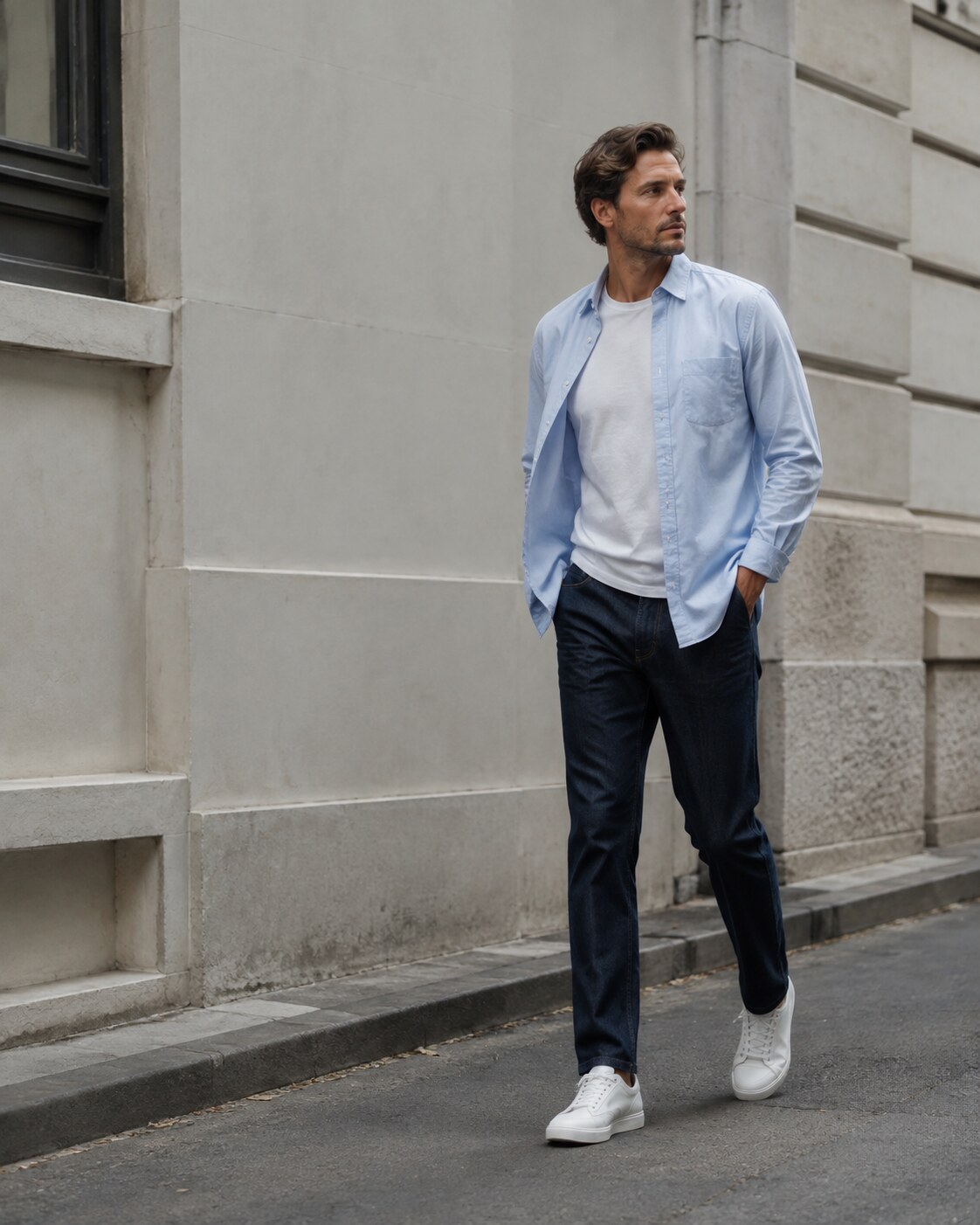
Several white T-shirts or blue shirts can be sensible when you wear them constantly. Duplication becomes wasteful when small differences matter only on the rail and every version competes for the same occasion. Compare similar pieces for fit, condition, comfort and outfit range, then keep the strongest rotation. Repeating a successful formula is good style; storing several weaker versions of the same idea makes the best one harder to see.
06
Finish with a gap list, not a shopping spree
Return the keepers by role and write down only the jobs that remain uncovered. Live with the edited wardrobe for two weeks before buying. You may discover that an alteration solves the problem, a neglected layer now works or the apparent gap never affects a real morning. When a purchase is still justified, define its colour, fit, fabric, formality and three intended outfits before opening a retailer page. The edit should make future decisions narrower, not trigger a replacement haul.