In this article+
- 01Read the hem before the dress code
- 02Let construction, occasion and proportion agree.
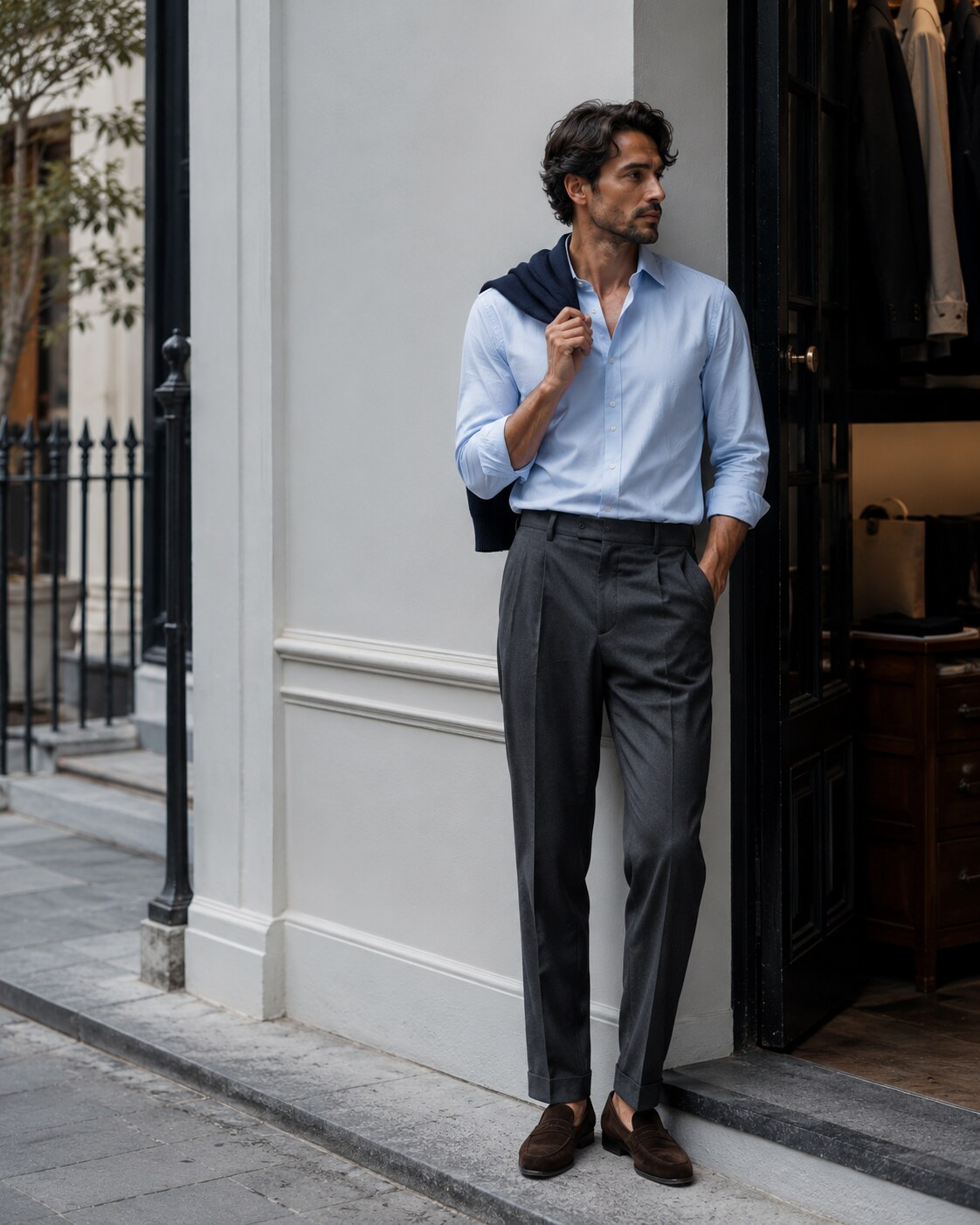
- 03Tuck for formal and structured settings
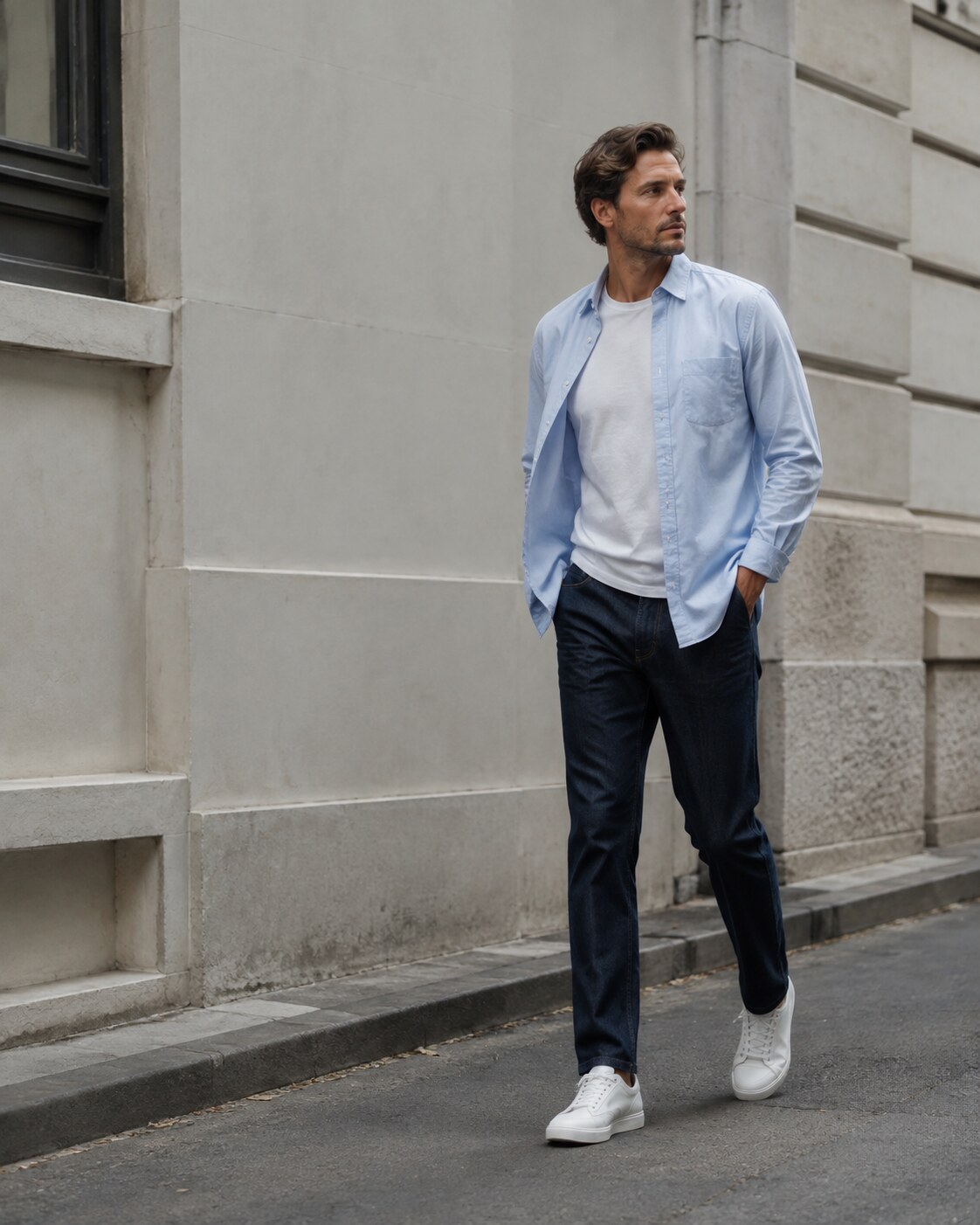
- 04Untuck for deliberate casual outfits
- 05Use trouser rise to improve proportion
- 06Polos sit in the middle
- 07Linen changes with time and place
- 08Avoid the halfway compromise unless it is intentional
01
Read the hem before the dress code
A long curved tail is designed to stay inside the trousers; a shorter, more even hem is designed to work outside. If the front hangs well below the fly or the sides expose too much hip, untucked will look accidental. Product labels can help, but the mirror from front, side and rear gives the real answer.
02
QWD TUCKING DECISION
Let construction, occasion and proportion agree.
The same shirt can behave differently across sizes and bodies. Judge the actual hem and complete outfit rather than relying on the garment name.
| Shirt and setting | Starting answer | Reason | Check |
|---|---|---|---|
| Dress shirt with suit | Tuck | Preserves jacket and waist line | Tail stays secure when seated |
| Oxford with chinos | Either | Depends on hem and occasion | Untucked length ends near mid-fly |
| Knit polo with trousers | Usually tuck | Creates a cleaner summer line | Waistband does not show bulk |
| Linen shirt on weekend | Usually untuck | Supports relaxed cloth and setting | Hem is intentionally short |
03Tuck for formal and structured settings+
Business suits, formal trousers, ties, weddings and most interviews call for a full tuck because it preserves the jacket line and keeps the shirt controlled. Smooth the cloth around the waist rather than pulling all excess to the back. If large folds remain, the shirt may need a different cut or alteration rather than a more elaborate tucking trick.
04Untuck for deliberate casual outfits+
An Oxford, camp-collar or linen shirt can sit untucked with jeans, chinos or shorts when its length is controlled and the hem looks intentional. The shirt should cover the waistband but not divide the body into a very long torso and short legs. A straight or gently curved hem is easier than a pronounced dress-shirt tail.
05Use trouser rise to improve proportion+
A full tuck reveals the waist and can lengthen the visible leg, particularly with mid- or higher-rise trousers. Untucking hides that line and can add visual length to the torso. Neither is universally more flattering. Photograph both versions with the shoes and outer layer you will wear; the full silhouette is more reliable than a body-type rule.
06Polos sit in the middle+
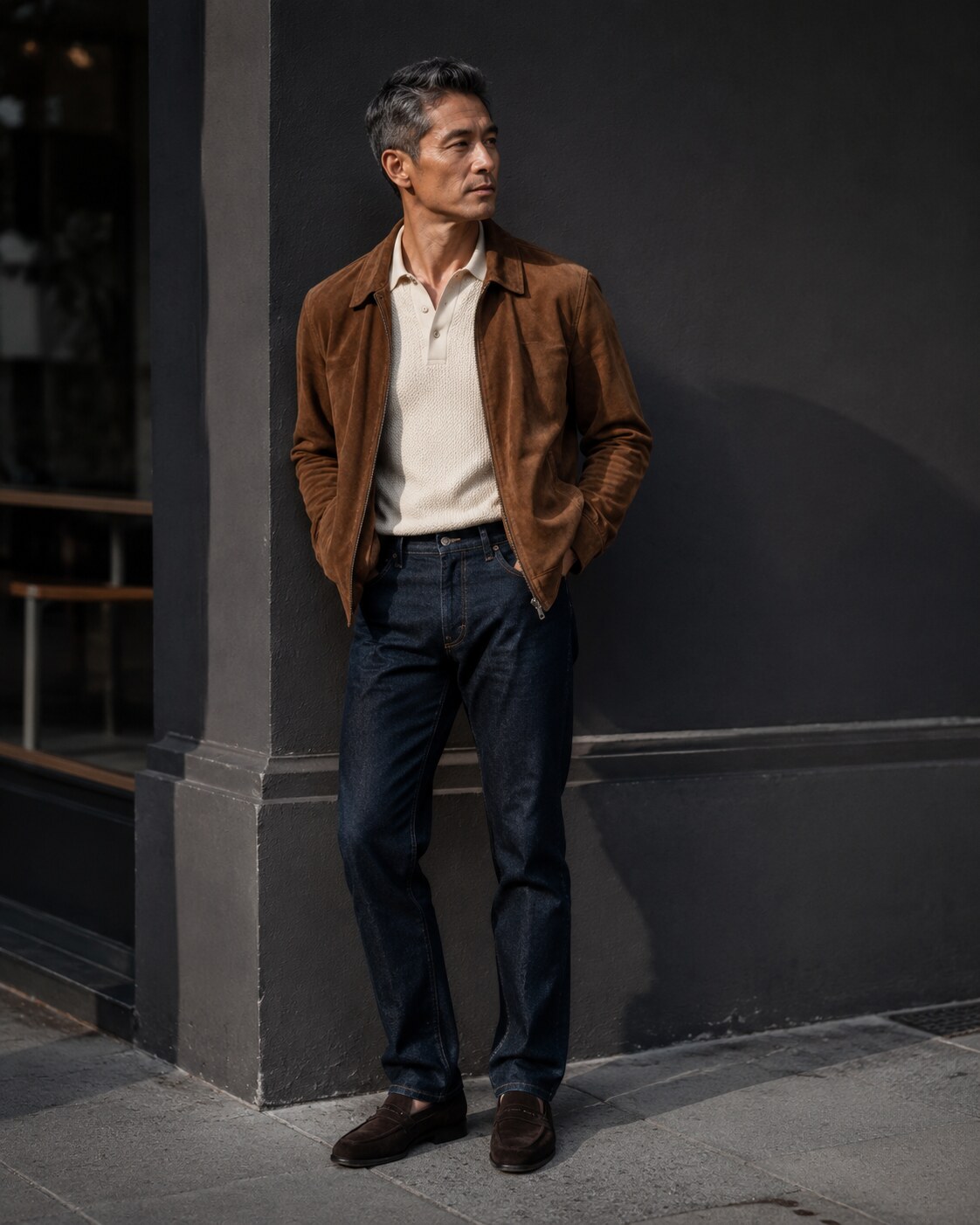
A knit or pique polo can be tucked into tailored trousers for work, dinner or a sharper summer outfit, and left untucked with chinos, denim or shorts when the hem is short enough. Check that the placket stays flat and the waistband does not create a bulky ridge through thin fabric. A belt becomes more visible when tucked, so keep it quiet.
07Linen changes with time and place+
Untucked linen feels natural by day, on holiday or over a T-shirt. Tucked linen becomes more polished for dinner, work and events, especially with tailored trousers and leather shoes. Allow some natural wrinkling; forcing linen to remain perfectly flat defeats the cloth’s relaxed character. The hem length still determines whether either option works.
08Avoid the halfway compromise unless it is intentional+
The half-tuck can suit directional casual styling, but it rarely clarifies a classic outfit. If you are unsure, choose a complete tuck or complete untuck and make the proportion work. The final test is simple: does the shirt stay controlled when you sit, reach and walk, or will you spend the day rearranging it?
SOURCES & FURTHER READINGThe references behind this guide+
- Deo Veritas — Untucked versus tucked shirt length
- Savile Row Company — How to wear a linen shirt
- QWD guide — How should a men’s dress shirt fit?
- QWD guide — How should polos and Oxford shirts fit?
QWD applies these references as a practical menswear baseline. Garment design, body proportions and intended styling can justify a different choice.