In this article+
01
Follow the family before any general rule
Read the notice and invitation carefully. Some families request bright colour, a sporting scarf, cultural dress or relaxed clothing that reflects the person being remembered. Those wishes take precedence. If nothing is stated and you can ask discreetly, do. The purpose is to support the family, not to demonstrate knowledge of a dress code.
02
RESPECT BEFORE RULES
Choose the quietest appropriate answer.
Family, cultural and religious requests override this table. It is a fallback for services without specific dress guidance.
| Context | Reliable choice | Alternative | Check first |
|---|---|---|---|
| Traditional service | Dark suit · plain shirt · dark tie | Dark jacket and trousers | Family notice |
| Relaxed celebration of life | Dark smart separates | Quiet knit or collared shirt | Requested colour or theme |
| Hot outdoor service | Breathable dark trousers · pale shirt | Light unstructured jacket | Weather and shade |
| Cultural or religious service | Guidance from family or venue | Respectful covered clothing | Specific customs |
03The safest traditional outfit+
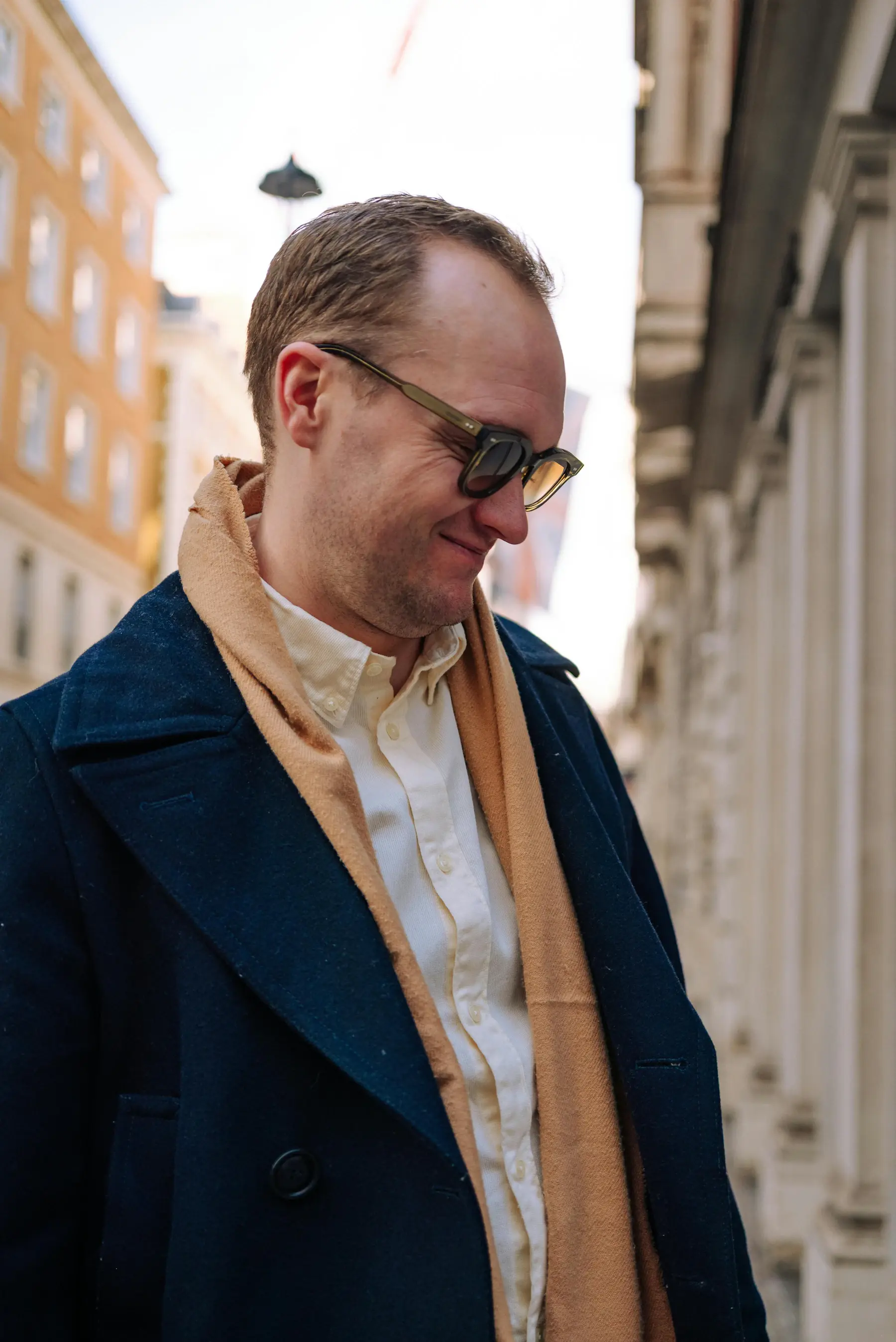
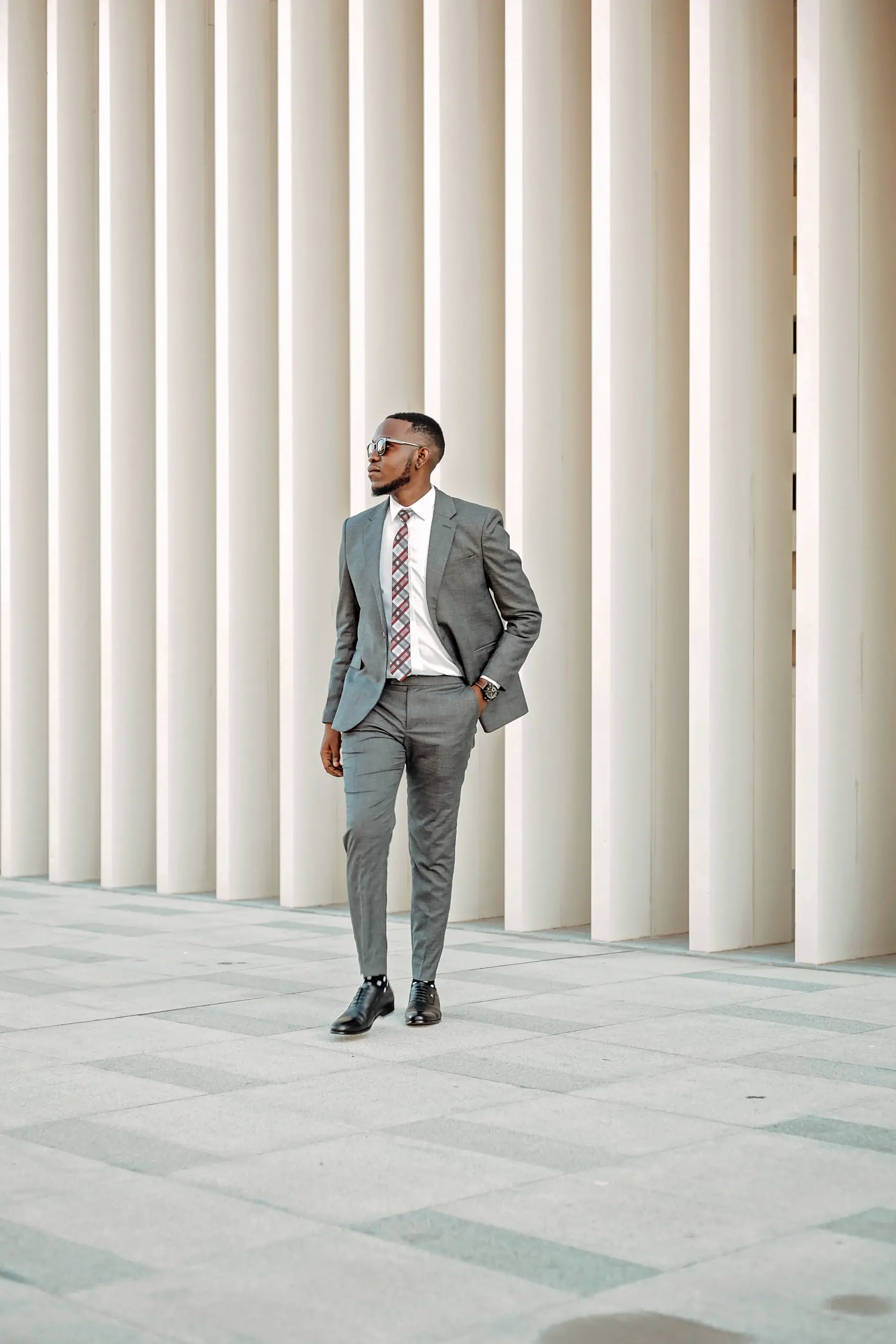
A charcoal, deep-navy or black suit with a white, pale-blue or quiet grey shirt is appropriate for most conventional services. Add a plain dark tie when the ceremony or community is formal. Choose black or very dark-brown leather shoes, keep accessories restrained and make sure every piece is clean, pressed and comfortable enough for standing and walking.
04If you do not own a suit+
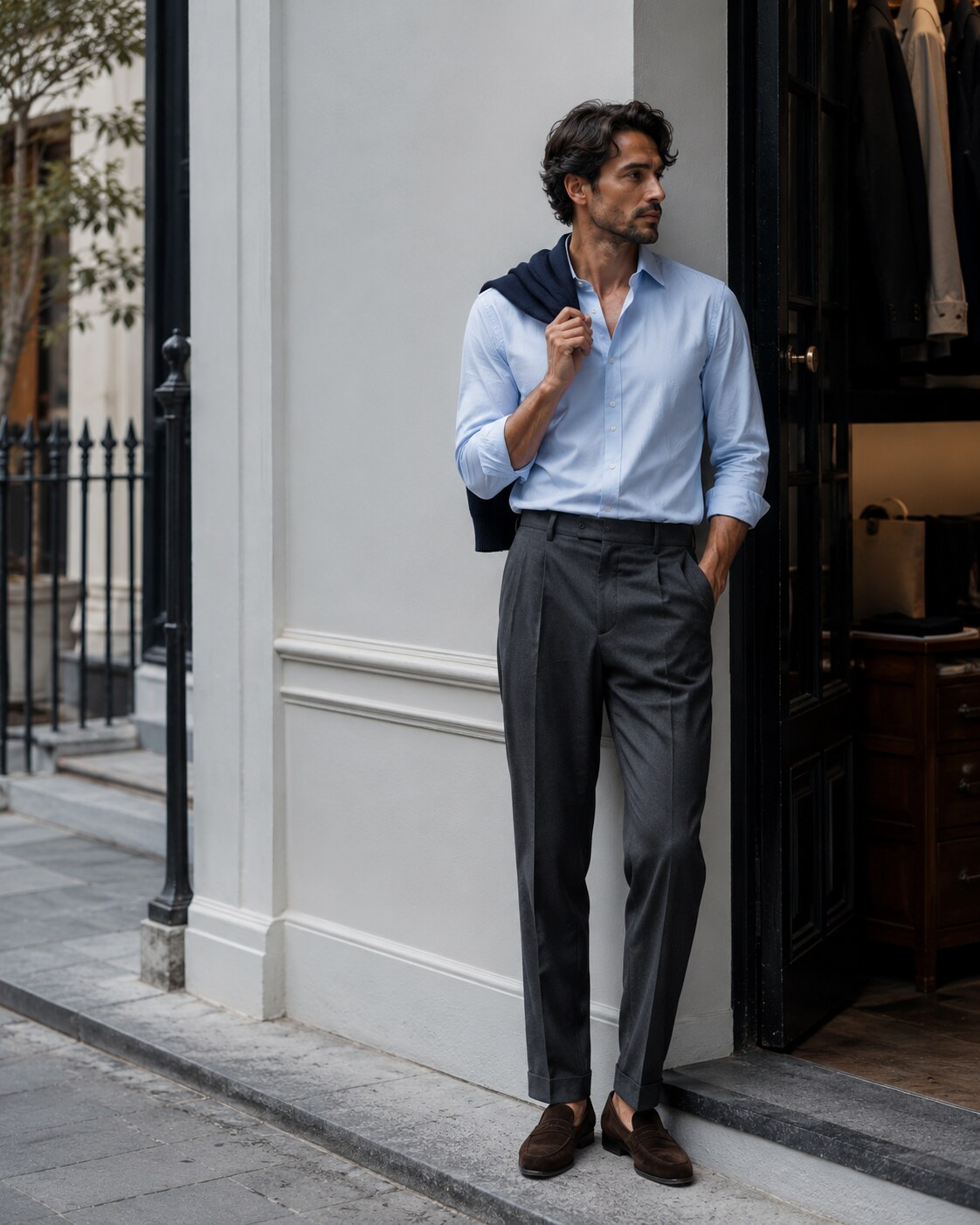
Wear a dark blazer or simple wool jacket with charcoal or navy tailored trousers and a plain collared shirt. Dark chinos can work for a relaxed service if they are clean, uncreased and free from obvious workwear detail. A borrowed suit that fits badly is not automatically more respectful than neat separates you can wear calmly.
05Warm weather and outdoor services+
Choose breathable cotton, linen blends or open-weave wool in restrained colours. A pale long-sleeved shirt with dark lightweight trousers can be appropriate if a jacket would be unsafe or impractical in the heat. Bring a dark umbrella or simple coat when needed. Comfort matters because discomfort can become a distraction during a long service.
06Cultural and religious settings+
Customs vary widely. Check whether head covering, covered arms, removal of shoes, a particular colour or another form of dress is expected. When you are unfamiliar with the setting, ask the funeral director, venue or a family contact. A respectful question is better than importing a Western dark-suit rule into every ceremony.
07Keep the details quiet+
Avoid large logos, distressed clothing, bright athletic shoes, noisy jewellery, novelty ties and strong fragrance unless specifically requested. Turn off audible notifications. Clean and polish the shoes, check the shirt in daylight and carry only what you need. The clothes should make your presence feel steady and unobtrusive.
08A useful final test+
Ask whether the outfit is respectful, practical for the venue and unlikely to draw attention from the people being remembered. If yes, it is probably sufficient. There is no need to make a purchase solely to satisfy an imagined rule; thoughtful preparation and conduct carry more meaning than a perfect black suit.
SOURCES & FURTHER READINGThe references behind this guide+
- Southern Metropolitan Cemeteries Trust — What to wear to a funeral in Australia
- Emily Post Institute — Funeral etiquette
- QWD guide — How should a men’s dress shirt fit?
- QWD guide — How should a men’s blazer fit?
QWD applies these references as a practical menswear baseline. Garment design, body proportions and intended styling can justify a different choice.