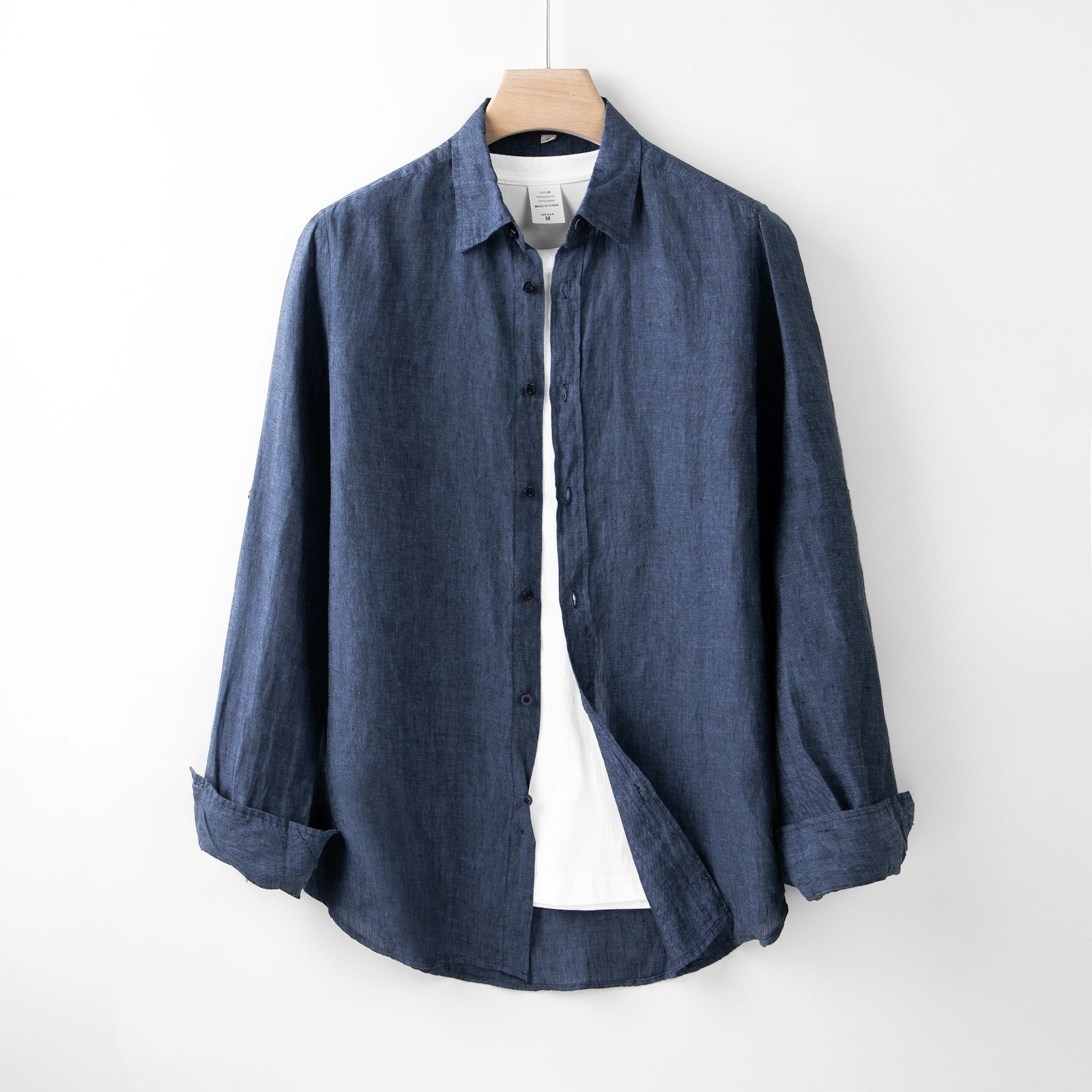
In this article+
- 01Choose the setting before the inseam
- 02Judge length, room and balance together.
- 03Secure the waist without squeezing it
- 04Fit the rise and seat in movement
- 05Let the opening follow the thigh
- 06Balance short length with the top
- 07Give the shoe enough presence—but not weight
- 08Use the three-view spring test
01
Choose the setting before the inseam
Shorts for a coastal weekend, a warm-city lunch and active outdoor use perform different jobs. For a versatile tailored or chino short, start with a hem a little above the knee and enough room to move. Very short lengths read more casual and expose more leg; knee-covering lengths can interrupt the line and feel heavy unless the design is deliberately broad.
02
THE SHORTS FIT CHECK
Judge length, room and balance together.
Inseam numbers change with height, rise and how the waistband is worn. Use the visible line and movement as the final evidence.
| Area | Useful starting point | Movement check | Warning |
|---|---|---|---|
| Length | A little above the knee | Hem remains controlled when seated | Knee-covering bulk or accidental extreme crop |
| Waist and rise | Secure without belt tension | Sit without digging or dragging | Low hanging crotch or gathered waistband |
| Thigh and opening | Follows the thigh with clear ease | Stride without gripping | Pocket flare, tight hem or rigid flare |
| Outfit balance | Top and shoe repeat the level of ease | Whole silhouette remains deliberate | Tiny shoe under broad shorts or oversized shirt hiding the waist |
03
Secure the waist without squeezing it
The waistband should stay in place before the belt is tightened and remain comfortable when you sit. A mid or slightly higher rise often gives the short a cleaner place to begin and creates more useful leg length below it. If the waistband drops, the crotch hangs low and the hem can appear longer than its measured inseam suggests.
04
Fit the rise and seat in movement
Look for a smooth front without strong horizontal pulling and a seat that follows the body without cutting beneath it. Sit, take a long step and raise one knee. The waistband should not drag down, the pockets should stay mostly flat and the hem should return after movement. A persistent diagonal crease from crotch to hip often signals the wrong rise or insufficient room.
05
Let the opening follow the thigh
The leg should skim rather than grip. You need enough clearance for walking and sitting, but not so much that the short flares like a rigid triangle. A fuller pleated short can look excellent when the volume begins cleanly at the waist and the cloth drapes; a flat-front chino short usually wants a quieter opening.
06
Balance short length with the top
A compact knit polo, tucked Oxford or open linen shirt gives the waist and leg line definition. Very long untucked shirts can make even well-cut shorts look abruptly small; a very tight top can exaggerate a fuller leg. Repeat one element of volume or structure rather than making every garment equally loose.
07
Give the shoe enough presence—but not weight
Loafers, minimal sneakers, espadrilles and simple sandals can all work. A very small shoe can make a broad short look top-heavy, while a huge technical sole can dominate a neat tailored short. Keep socks invisible with loafers or low sneakers unless the outfit deliberately uses a visible athletic sock; formal dress socks with shorts are rarely the quiet route.
08
Use the three-view spring test
Photograph the front, side and rear in natural light, then sit and walk. Check pocket flare, thigh grip, seat collapse and whether the hem climbs dramatically. Finally build three complete outfits from your wardrobe. The correct pair is not merely flattering in one pose—it should make warm-weather dressing easier across a real week.
SOURCES & FURTHER READINGThe references behind this guide+
- Put This On — How to wear shorts
- Permanent Style — How I learned to love shorts
- Permanent Style — Introducing the Bruce short
- QWD guide — How should men's trousers fit?
QWD applies these references as a practical menswear baseline. Garment design, body proportions and intended styling can justify a different choice.