In this article+
REAL PHOTOGRAPH / VISIBLE DETAIL
What the picture can—and cannot—tell you.

Look at the neckline and seams
The ribbed neck and diagonal seam lines are visible. They give you specific places to inspect for puckering, uneven stitching or damage on your own garment. The picture does not establish cotton content, fabric weight or how it survives washing.
Real photographic context, not a QWD wear test. Read the product specification and inspect the actual garment before drawing a quality conclusion.
See a documented fabric example
Open Suyash Dwivedi’s cotton macro image ↗
Suyash Dwivedi, CC BY-SA 4.0. The source identifies cotton; it does not establish garment durability or breathability. External reference photograph.
01
Decide how you want the garment to look
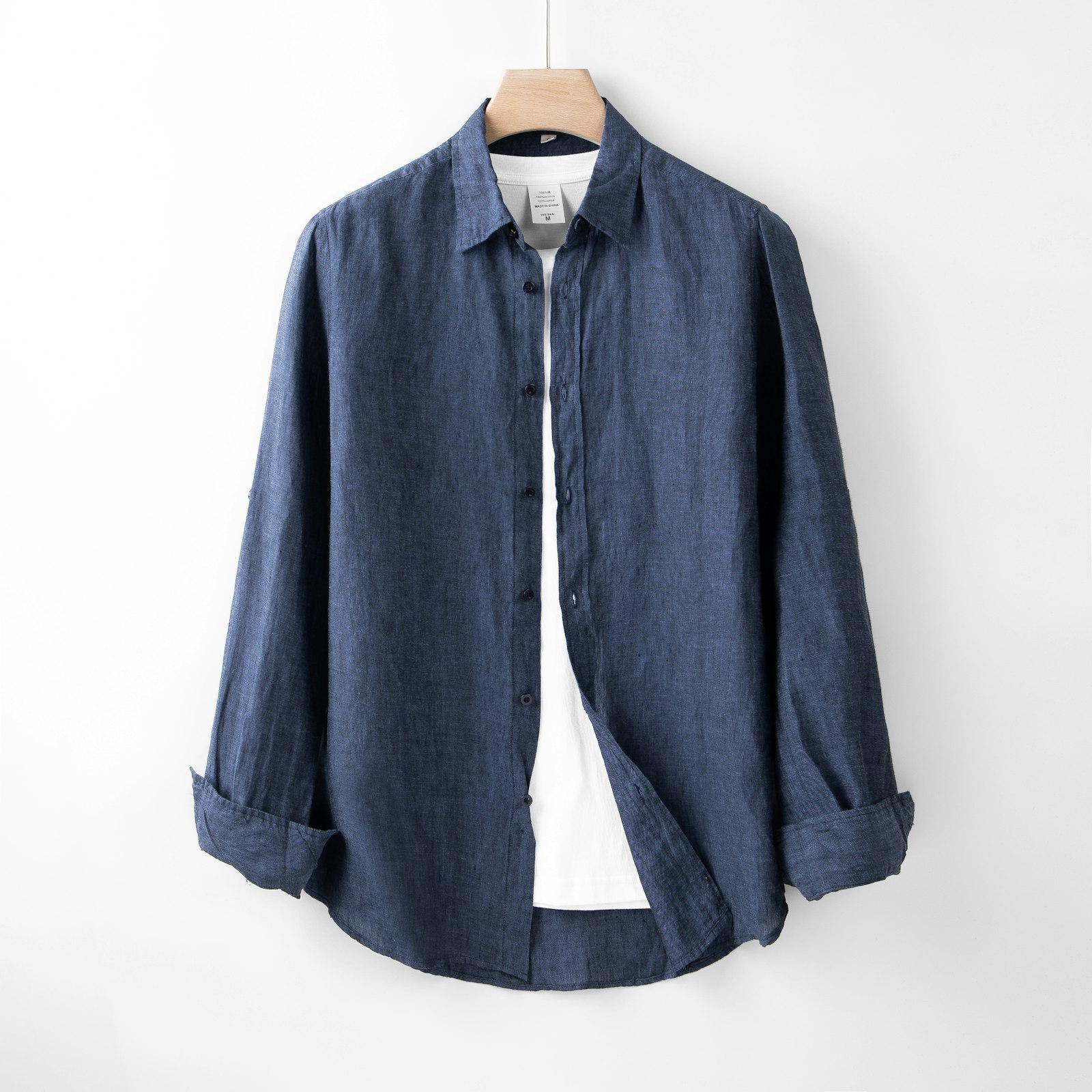
QWD would start with linen for a relaxed shirt whose creases belong to the outfit, and cotton poplin or Oxford cloth when a clearer shirt line is the priority. These are styling starting points, not rankings. Cotton can be slubby and relaxed; linen can be closely woven and substantial. Handle the actual garment rather than expecting every example of a fibre to behave alike.
02
CHOOSE FOR THE JOB
The useful decision.
QWD editorial guidance informed by the sources below; not a product wear test.
| Your priority | Start here | Check before deciding |
|---|---|---|
| Relaxed texture | Try linen | Creasing and skin feel |
| Sharper shirt line | Compare cotton poplin or Oxford | Actual weight and fit |
| Hot-weather comfort | Compare whole garments | Weave, lining and ease |
| Middle ground | Try a blend | Care label, not assumed performance |
03
Why the finished cloth matters
Libeco’s account of linen production shows the work between flax fibre and finished fabric: yarn preparation, weaving and finishing. The fibre name is only the beginning of the description. Ask about weight and lining, look at the weave, and feel the cloth against your skin. QWD would not infer a garment’s performance from an attractive texture in a product photograph. (Linen-making reference: Libeco)
04
Is linen always cooler than cotton?
No blanket answer will tell you which of two finished shirts is more comfortable. CottonWorks treats airflow, moisture handling and drying as distinct properties to assess. Compare the garments’ openness, weight and room to move; check whether a jacket or trouser has a lining. Holding fabric to the light can reveal openness and transparency, but it is not a measured breathability test. (Textile assessment: CottonWorks)
05
Check the shirt and trousers differently
For a shirt, button it, reach forward and check whether the placket pulls or the underlayer shows more than you want. For trousers, sit down and look at pocket outlines and the seat in ordinary light. Pale fabric deserves particular attention. A relaxed texture does not excuse strained seams, and a smooth finish does not guarantee a comfortable fit.
06
What about a cotton-linen blend?
Judge it on its own merits. A blend may give you a surface or drape you prefer, but the percentage does not tell you exactly how much it will crease or shrink. Follow the garment’s care label and check the maker’s sizing advice. If an important event depends on a freshly pressed look, choose a cloth whose lived-in appearance you already feel comfortable with.
07
Make the choice with one complete outfit
For a summer lunch, QWD suggests an ecru linen shirt, olive trousers and brown loafers. For a sharper everyday option, try a pale-blue cotton Oxford with navy chinos. Keep the shoes and trousers in mind when comparing shirts: the right texture is the one that helps the whole outfit feel coherent. You do not need both simply to cover two fabric names. (See the linen-shirt styling guide)
SOURCES & FURTHER READINGThe references behind this guide+
- Libeco — From flax to finished linen
- CottonWorks — Comfort and quality assessment
- How QWD researches its advice
QWD applies these references as a practical menswear baseline. Garment design, body proportions and intended styling can justify a different choice.
