In this article+
- 01Start with a complete, coherent base
- 02Move the same idea through four cocktail settings.
- 03A blazer and separate trousers can work
- 04Choose the tie by context
- 05Shoes set the lower limit of formality
- 06Use colour and texture after the dress code is solved
- 07Adapt for daytime, weather and weddings
- 08Avoid the two common extremes
01
Start with a complete, coherent base
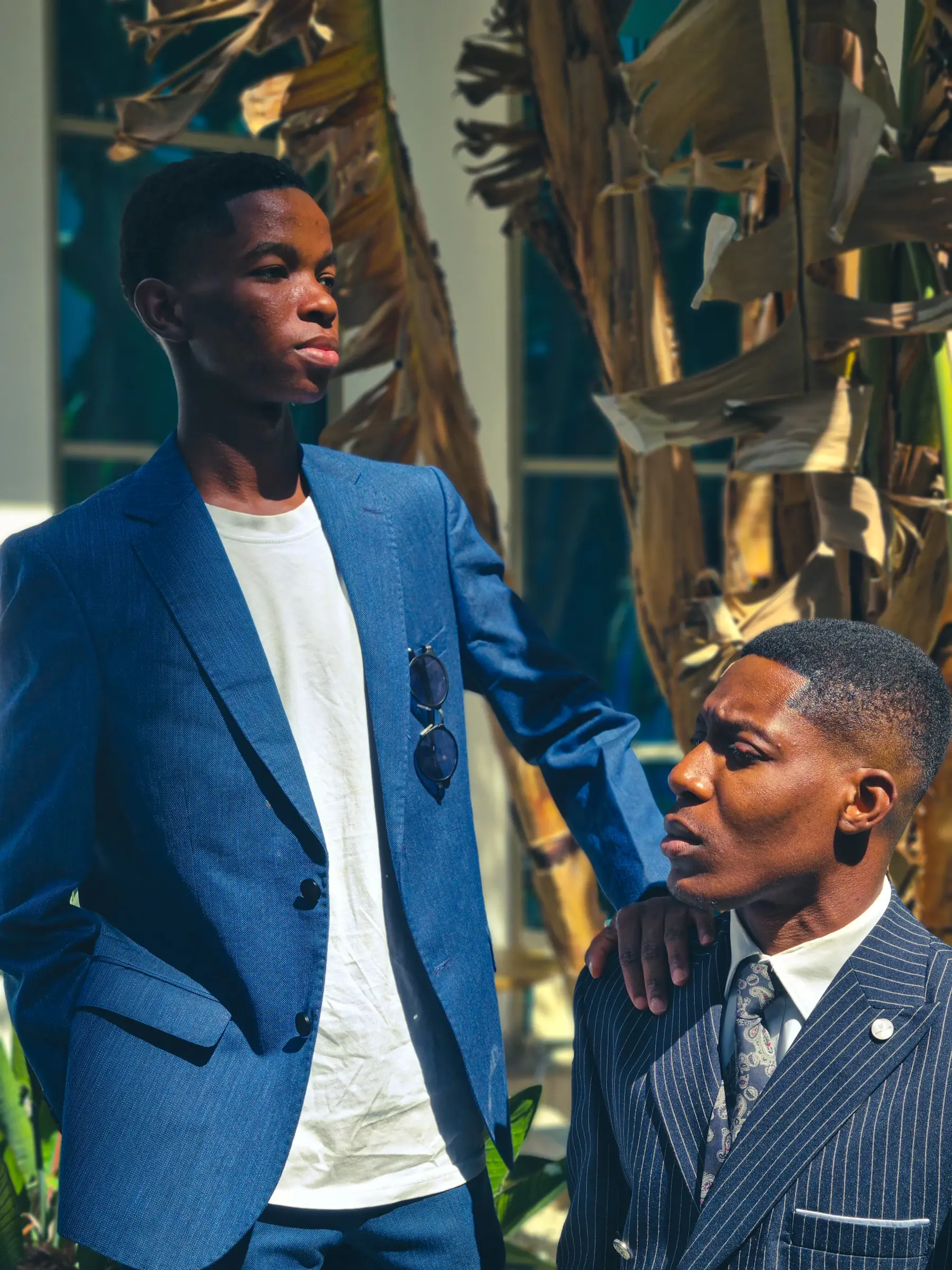
The most dependable answer is a navy or charcoal suit, white or pale-blue shirt and dark loafers, Derbies or Oxfords. The cloth can have more texture than a business suit and the structure can be softer. Cocktail is social rather than corporate, so the outfit should look considered in evening light without becoming theatrical.
02
QWD DRESS-CODE MATRIX
Move the same idea through four cocktail settings.
Invitation wording and host guidance come first. These are calm starting points when no more specific direction is available.
| Setting | Jacket and trouser | Underlayer | Shoe |
|---|---|---|---|
| Evening hotel | Dark suit | White shirt · optional dark tie | Black or dark-brown leather |
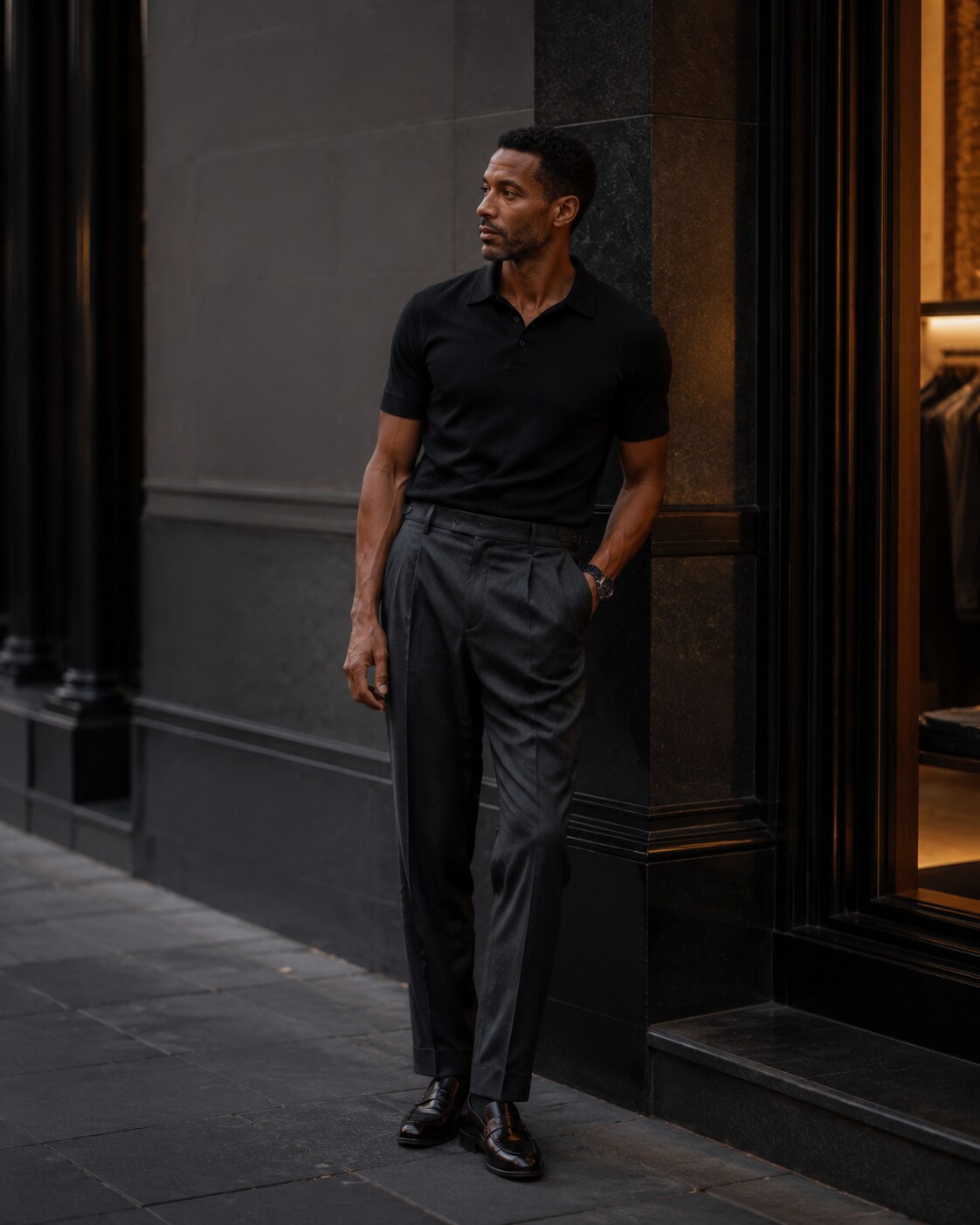
| Modern restaurant | Navy blazer · charcoal trousers | Open-collar shirt or knit polo | Dark loafer |
| Daytime garden | Lighter textured tailoring | Pale shirt | Brown suede loafer or Derby |
| Wedding cocktail | Suit or coherent separates | Collared shirt · tie if indicated | Polished leather |
03A blazer and separate trousers can work+
Use a dark unstructured blazer with charcoal, black or deep-brown tailored trousers. The pieces need enough contrast to read as intentional separates; two near-matching navies can look like a failed suit. A cream fine-gauge knit polo or open-collar shirt can replace the dress shirt when the venue and invitation feel contemporary.
04Choose the tie by context+
Wear a tie for a conservative wedding, private club, formal hotel or invitation that leans towards lounge suit. Skip it for a modern restaurant, gallery or creative event when the collar holds its shape and the rest of the outfit remains polished. If uncertain, carry a plain dark tie and decide after seeing the room.
05Shoes set the lower limit of formality+
Black or dark-brown leather loafers, Derbies and Oxfords are reliable. Suede can soften a daytime or outdoor event; patent leather is generally too formal. Minimal sneakers only work when the invitation is clearly modern and the suit is soft, cropped cleanly and free of ceremonial detail. Clean soles and controlled trouser length matter.
06Use colour and texture after the dress code is solved+
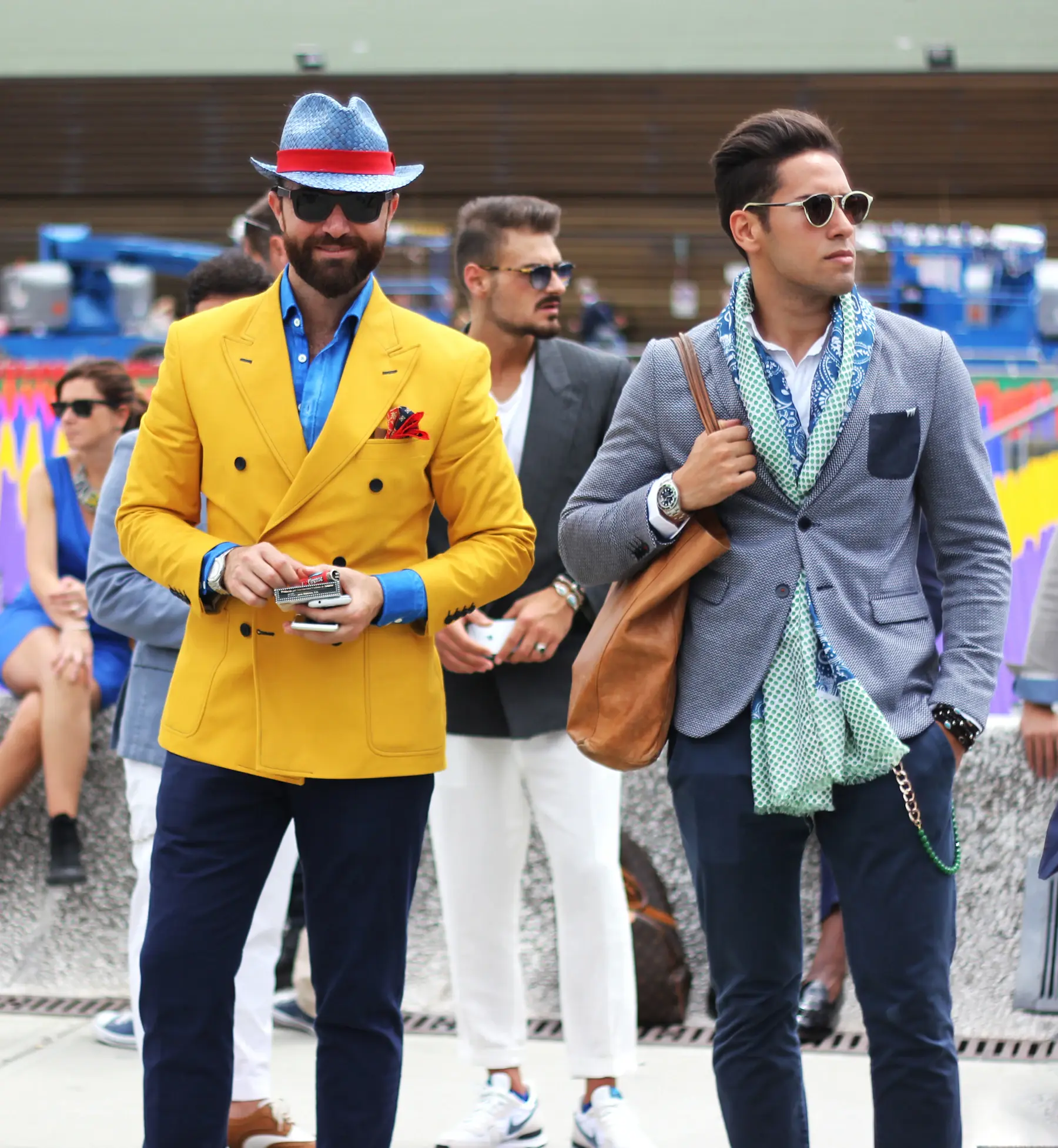
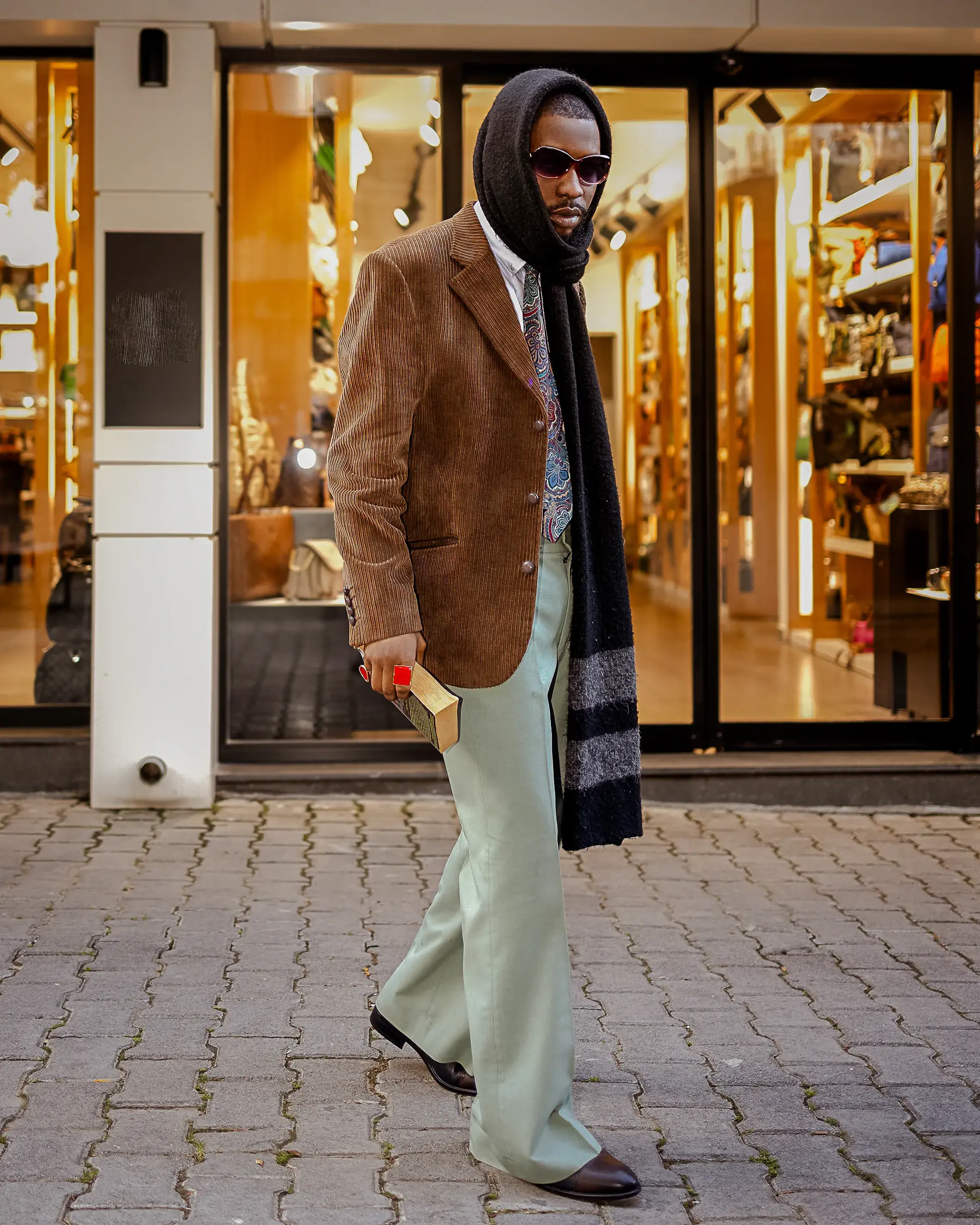
Deep navy, charcoal, black, chocolate and burgundy suit evening light. Interest can come from a knitted polo, grenadine tie, brushed jacket or subtle stripe. Reserve bright colour for one element. Cocktail attire should reward a closer look; it should not announce itself from across the room.
07Adapt for daytime, weather and weddings+
For a daytime garden event, lighter grey, tobacco, stone and breathable cloth can be appropriate. In hot weather, choose a half-lined or unlined jacket and an open weave rather than removing all structure. At a wedding, never compete with the couple and follow any explicit colour or cultural direction before general menswear advice.
08Avoid the two common extremes+
Jeans, untucked casual shirts and running shoes usually fall below cocktail; tuxedos, bow ties and patent shoes usually rise above it. The useful middle is tailored, evening-ready and comfortable enough to stand, sit and talk. If the invitation is ambiguous, ask the host rather than trying to decode one word in isolation.
SOURCES & FURTHER READINGThe references behind this guide+
- Emily Post Institute — Attire guide
- Vogue — Cocktail attire for men
- QWD guide — What should a male wedding guest wear?
- QWD guide — What is smart casual for men?
QWD applies these references as a practical menswear baseline. Garment design, body proportions and intended styling can justify a different choice.