In this article+
- 01Check the event before the wardrobe
- 02One practical base, adjusted to the event.
- 03Start with a comfortable base
- 04Choose trousers for the ground and the setting
- 05Let the footwear do a practical job
- 06Carry one useful layer
- 07Three formulas to adapt with what you own
- 08Keep pockets and accessories simple
- 09Do a ten-minute check before you go
01
Check the event before the wardrobe
Read the venue’s current entry information and the event invitation first. Rules about bags, prohibited items, seating and access differ between venues, so do not assume a particular bag or accessory will be allowed. Then check the local forecast for the time you expect to arrive and leave. Those two checks decide more than a trend-led outfit formula.
02
BUILD AROUND THE PLAN
One practical base, adjusted to the event.
Use the venue’s current rules and the weather forecast first. These are style starting points, not event-entry or safety instructions.
| Setting | Base | Layer | Footwear |
|---|---|---|---|
| Warm afternoon | Plain tee · neat shorts | Light overshirt if useful | Clean low-profile sneakers |
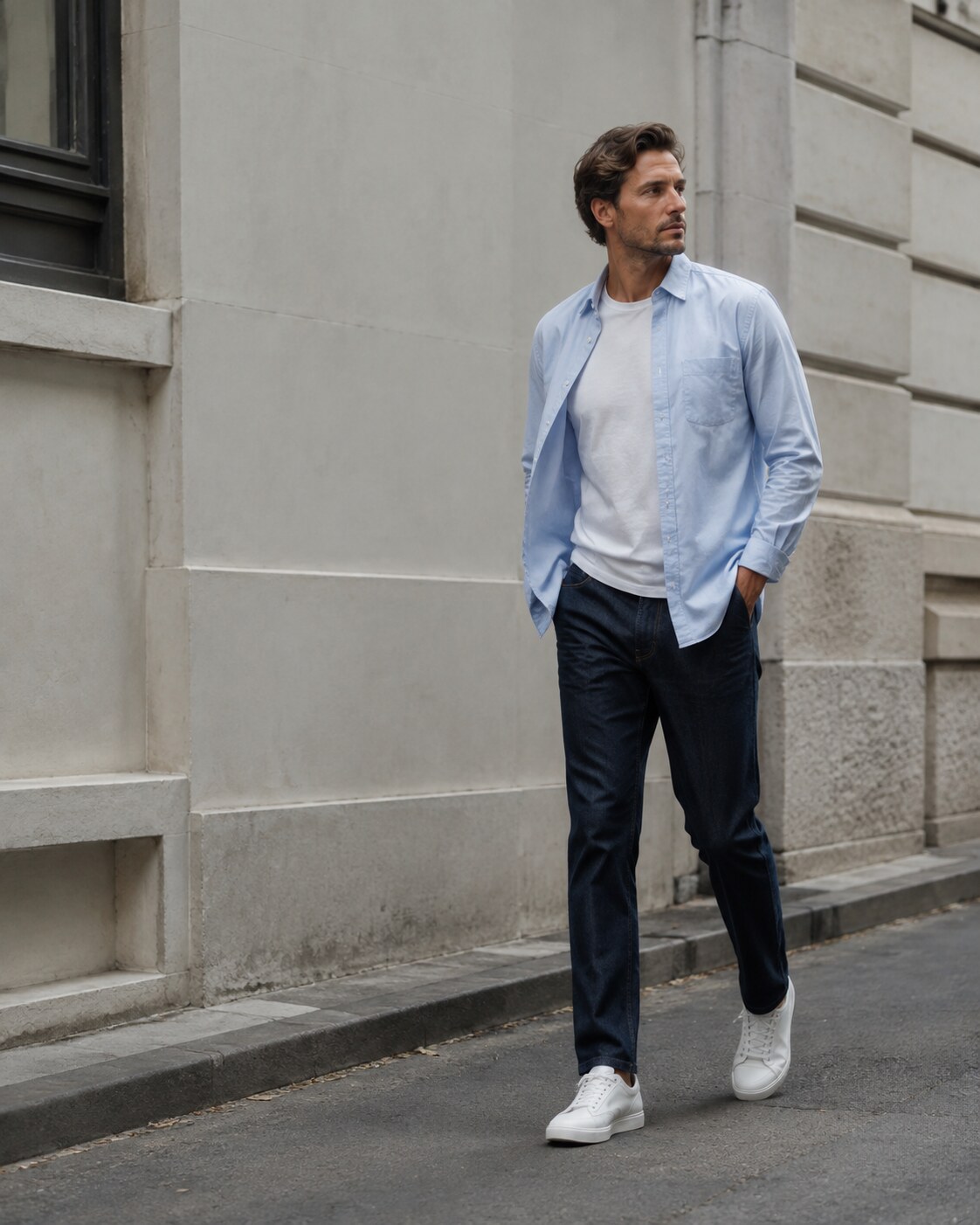
| Cooler open-air show | Tee · straight dark jeans | Overshirt or light jacket | Comfortable casual sneakers |
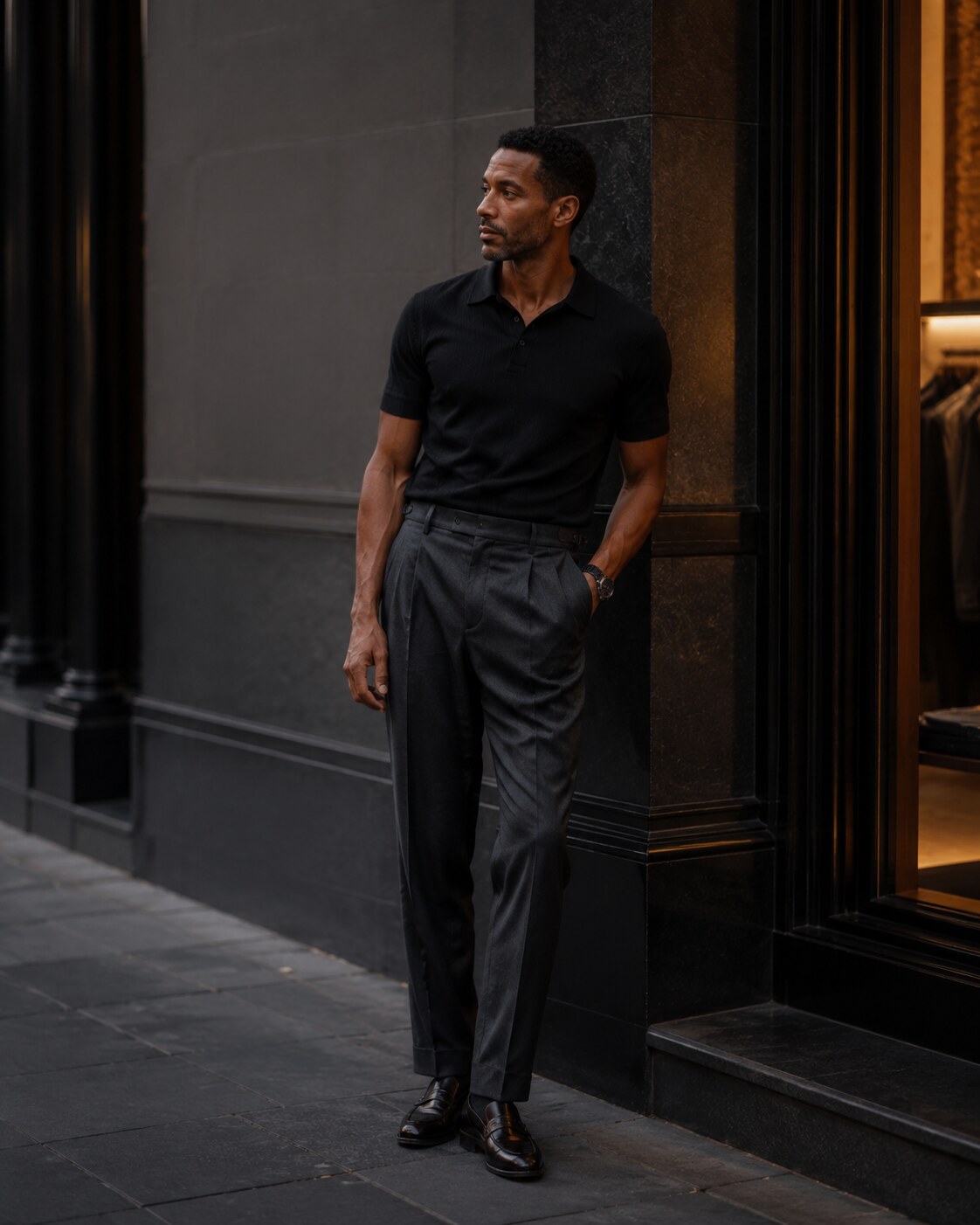
| City venue, seated | Knit polo · clean chinos | Soft jacket if needed | Understated leather shoe |
| Changeable forecast | Comfortable tee or shirt · jeans | Packable weather layer | Shoes suited to the route |
03Start with a comfortable base+
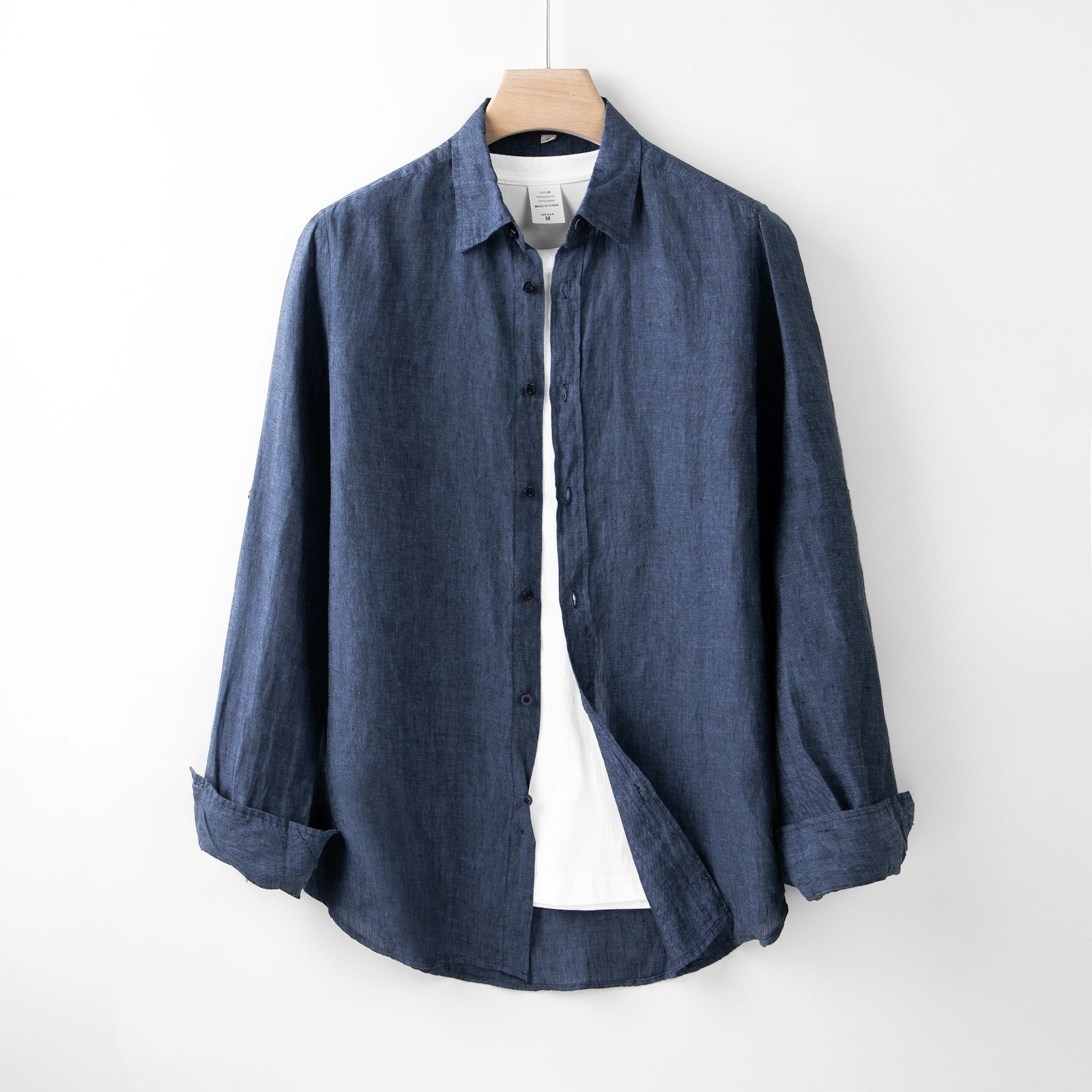
Choose a tee, polo or casual button-through shirt that feels easy when you sit, walk and raise your arms. A matte cotton tee is the simplest option; a knit polo or open-collar shirt adds a little structure when the event feels more polished. Keep graphics and logos quiet unless you want the shirt to be the main point.
04Choose trousers for the ground and the setting+
Straight jeans are a dependable cooler-weather choice. In warm weather, neat shorts can work when the event and venue feel relaxed; keep the length and leg opening comfortable for walking and sitting. Chinos or casual trousers give the outfit a cleaner line for a city venue or evening performance. The practical test is whether you can move freely without adjusting the waistband or hem.
05Let the footwear do a practical job+
Clean low-profile sneakers are an easy match for a tee and denim. A sturdier casual shoe can make more sense if the ground is uneven or the walk is long; a simple leather shoe can lift the outfit for a seated, city-centre event. Wear a pair you already know is comfortable rather than making the concert the first outing for a new shoe. Keep the profile and trouser hem in balance.
06Carry one useful layer+
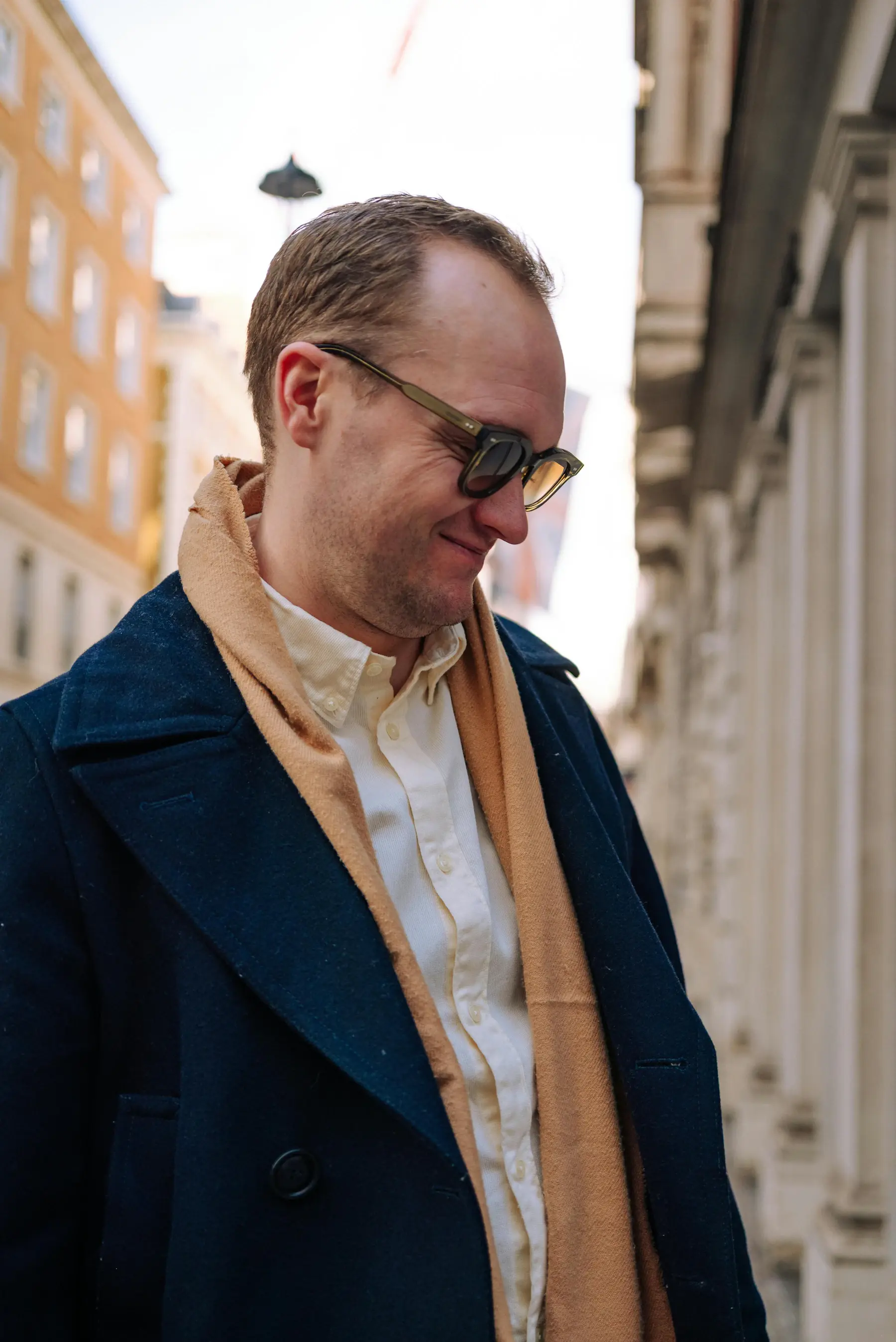
An overshirt, light jacket or compact knit can cover the change from daylight to evening without turning the outfit into a bulky stack. Pick a layer that works over the base and can be carried comfortably once you no longer need it. If rain is in the forecast, use a practical weather layer and check the venue’s guidance before adding an umbrella.
07Three formulas to adapt with what you own+
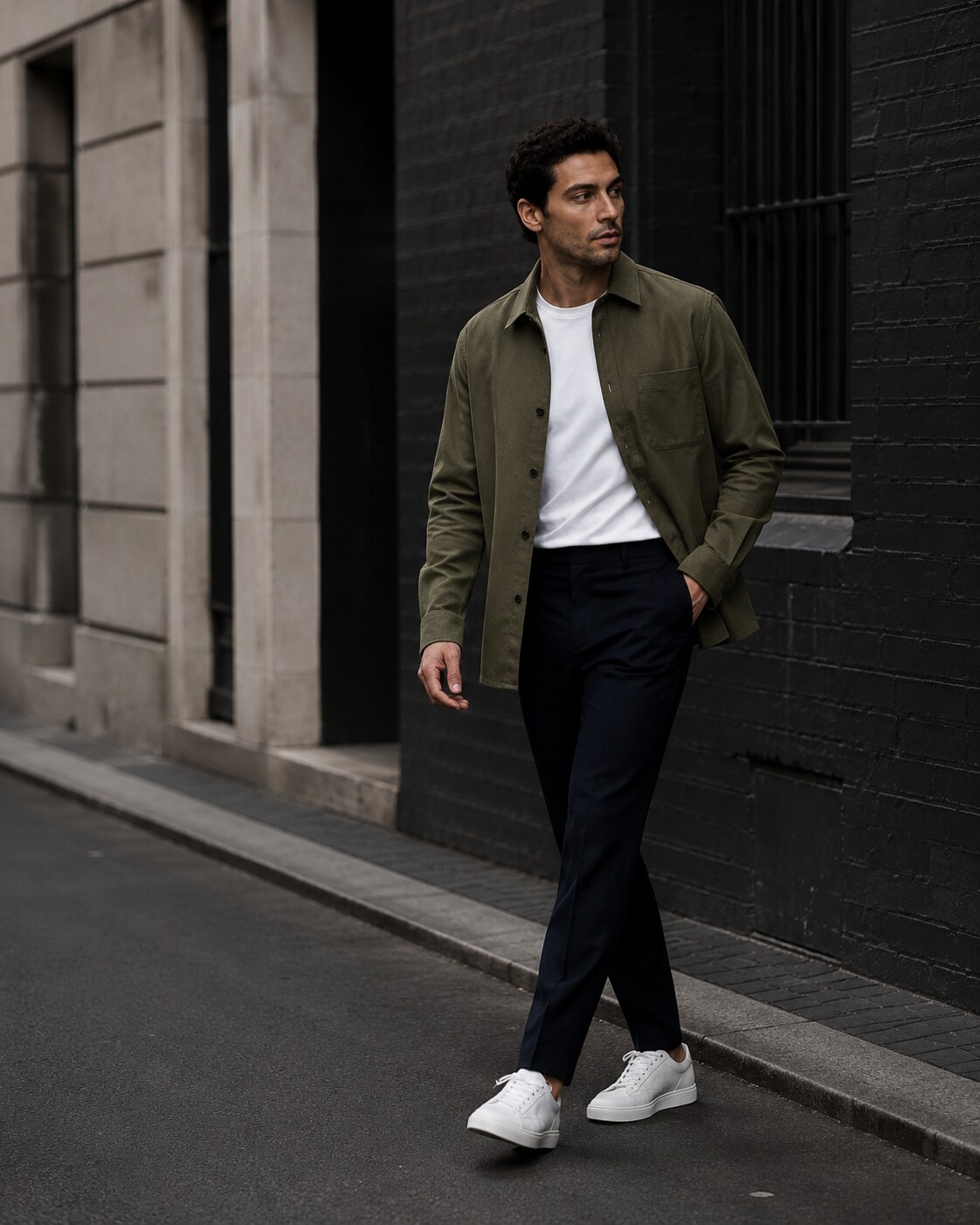
For a warm afternoon, try a plain ecru or white tee, olive or navy shorts and clean sneakers. For a cooler outdoor show, use a tee, straight dark jeans and an open overshirt over the top. For a more polished city event, choose a knit polo, clean chinos and understated leather sneakers or casual loafers if you will mostly be seated. These are starting points, not a shopping list; change the pieces to suit your climate and the event.
08Keep pockets and accessories simple+
Carry only what the venue allows and what you will actually use. Check bag dimensions and entry rules against the current event information before leaving. A small crossbody or compact backpack may be convenient when permitted; pockets may be simpler when they are not. Keep jewellery low-profile and secure anything you would not want to lose in a busy setting.
09Do a ten-minute check before you go+
Put on the complete outfit, walk around, sit down and try the layer both on and off. Check that the shirt stays comfortable, the trouser hem does not catch on the shoe, and your essentials fit the permitted carry option. If the forecast changes, adjust the layer rather than replacing the whole outfit. The right choice is the one that lets you pay attention to the music.
SOURCES & FURTHER READINGThe references behind this guide+
- QWD guide — How to dress smart in hot weather
- QWD guide — How should men’s shorts fit?
- QWD guide — What shoes should men wear with jeans?
- QWD guide — How to layer clothes without bulk
QWD applies these references as a practical menswear baseline. Garment design, body proportions and intended styling can justify a different choice.